Seasonal Planting: Building a Winter Garden
15-12-2025 Blog
Caring for a garden through the colder months may seem challenging, but winter is one of the most important seasons for shaping healthy trees, preparing colourful displays, and securing strong harvests for the year ahead. Seasonal planting is important all year round. Whether you’re maintaining established fruit trees, planning a burst of early-spring flowers, or choosing hardy plants that thrive in lower temperatures, a little attention goes a long way in building a Winter garden.

Pruning Your Fruit Trees
One way to maintain an already thriving winter garden, is to make sure you’re pruning your fruit trees and other woody plants. For apple and pear trees, this is a process usually encouraged after four or five years of growth. Prune any dead or crossing branches, shorten some new growth, and remove any growth growing inwards toward the trunk.
This pruning should be done when the tree is dormant, which is usually between November and March (unless we’ve had a particularly warm or cold winter.) The purpose is to maintain an open-centred, goblet-shaped tree with well-spaced branched to allow for airflow and fewer pests or diseases.

Winter Planting: Flowers and Bulbs
Plant these flowers now for them to flower in January and signal the beginning of the end of Winter:
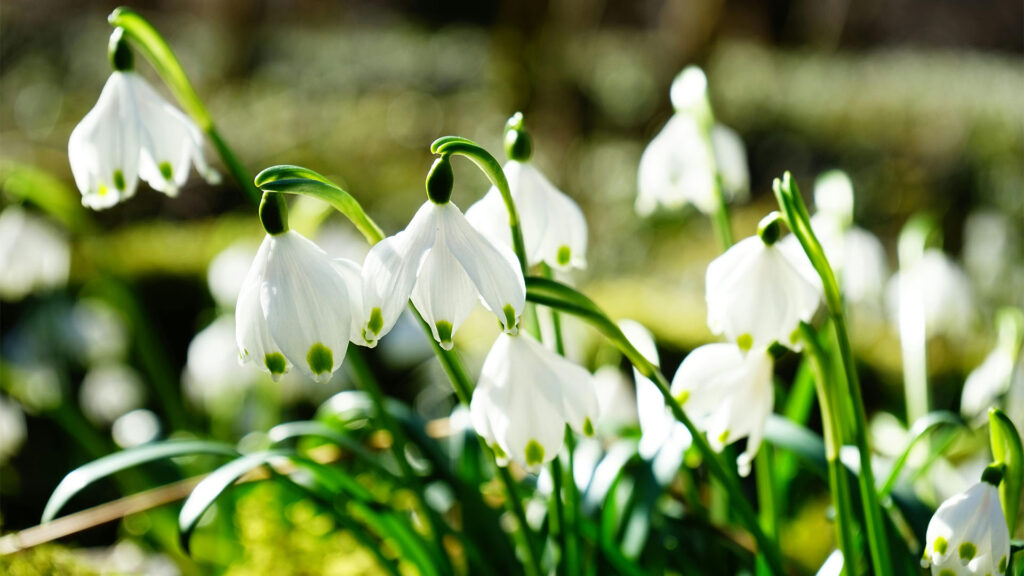
- Snowdrops are real true harbingers of Spring and often push through in January/ February time.
- Hellebores have a slightly longer flowering time, appearing through mid-winter to early spring.
- Winter Jasmine is another option, bringing bright yellow flowers from December onwards.
You can also plant spring bulbs in Winter, with it even benefiting flowers like Tulips, the cold soil warding off some diseases. Daffodils, Hyacinths, and Crocuses can also be planted in this time. Just remember to plant a bit deeper than usual and don’t forget to water them!
Cold-Season Vegetables And Herbs
Leafy Greens like kale, spinach, and Swiss chard are hardy and can survive frost while offering decent harvests. Root vegetables are also in this category, carrots, beets, and turnips thrive in colder temperatures. They can be planted in late summer or early autumn for winter harvesting. Other plants like garlic and radish are also included in this list, often growing over the winter period for that early springtime harvest.
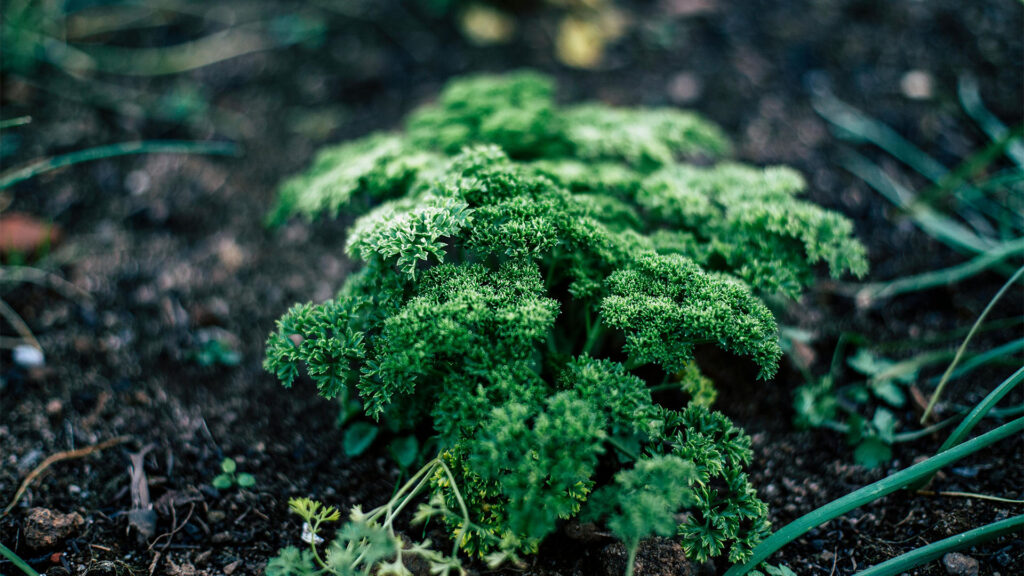
Herbs are a bit more awkward; however, Thyme, Parsley and coriander can endure colder weathers, and their strong flavour is testament. There is a lot of choice when looking to build your winter vegetable garden.
The Best Winter Evergreens
Evergreens are what we immediately lean towards when thinking about cold hardy plants. Offering bloom all year round (hence the ‘ever’ in the name) these plants are a staple when building any winter garden. The low maintenance shrubs are great for planting in September/ October too, so late planting is possible.
Popular choices are:
- Choisya, or Mexican Orange Blossom
- Daphnes
- Box
- Heather
- Lavender
These allow for dimension year-round, and lavender is also a great pollinator for bees and bugs.

Got any questions or feedback on the article? Or a topic you would like to be covered in a future blog? Email cara.dyos@clarendonhomes.co.uk today, I would love to hear from you!